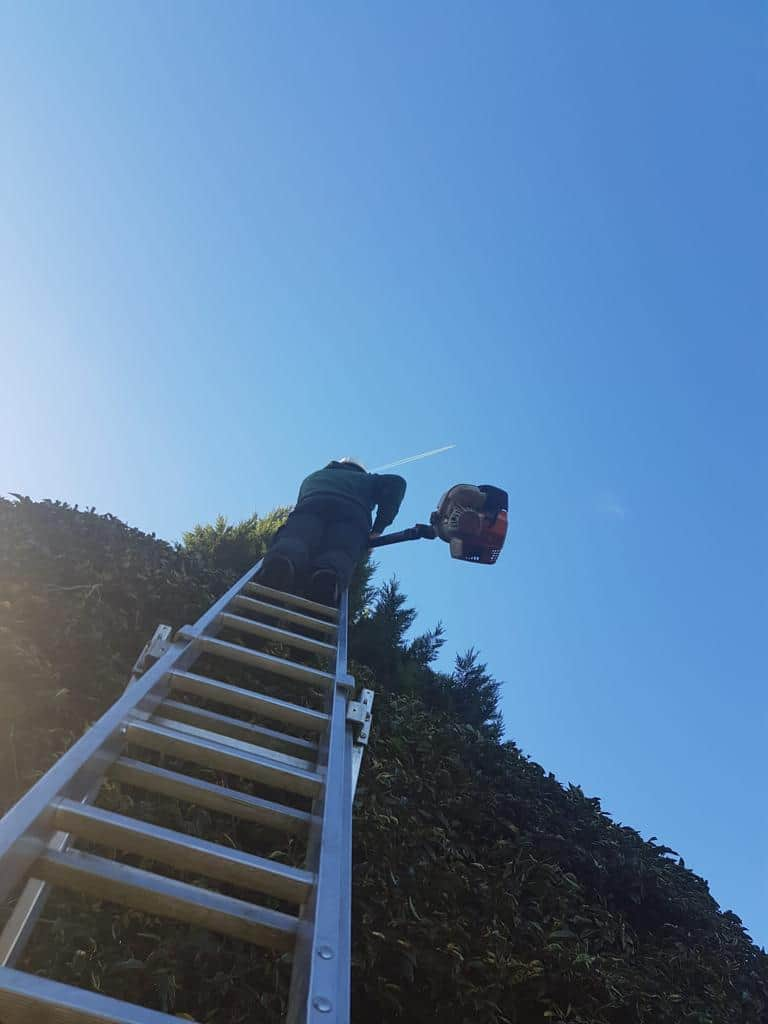
Trees add long-term value to outdoor spaces, but as they mature, their size and structure can begin to create challenges. Crown reduction is a specialist tree surgery technique designed to manage growth while maintaining the tree’s health and appearance. Knowing when this type of work is needed is essential for protecting both the tree and its surroundings.
For property owners in Stansted, understanding the right timing for crown reduction helps prevent issues before they develop into larger concerns.
Understanding Crown Reduction
Crown reduction involves carefully reducing the overall size of a tree’s canopy by shortening selected branches. The work is carried out in a controlled and balanced way to preserve the tree’s natural shape. Unlike severe cutting, this method focuses on structural improvement rather than aggressive removal.
When performed correctly, crown reduction supports stability, reduces stress, and allows the tree to continue growing in a healthier, more manageable form.
When a Tree Has Outgrown Its Space
One of the most common reasons for crown reduction is when a tree has become too large for its location. Overhanging branches may extend beyond boundaries, obstruct light, or interfere with nearby buildings and access areas.
Reducing the crown brings the tree back into proportion with its surroundings without compromising its long-term presence.
Signs of Structural Stress
As trees increase in height and canopy density, weight distribution can become uneven. This may lead to visible strain in major limbs or increased movement during strong winds. Crown reduction helps relieve pressure by reducing overall mass and redistributing weight more evenly across the structure.
This is particularly important for mature trees that are exposed to open or elevated conditions.
Managing Wind and Weather Exposure
Large, dense canopies can act as wind traps, placing extra force on branches and the main stem. In exposed areas, this increases the risk of breakage during storms. Crown reduction reduces wind resistance, improving the tree’s ability to withstand challenging weather conditions.
This preventative approach is often recommended following changes to the surrounding environment, such as new developments or tree loss nearby.
Improving Light and Airflow
Excessive canopy growth can block natural light and restrict airflow below the tree. This may affect lawns, gardens, or neighbouring planting and can also contribute to damp conditions.
A carefully planned crown reduction opens the canopy, allowing more light through while improving air circulation, which benefits both the tree and the area around it.
Preventing Future Maintenance Issues
Addressing growth issues early with crown reduction often prevents the need for more extensive work later. By guiding growth and maintaining balance, the tree is less likely to develop weak limbs or uneven structure over time.
Strategic intervention supports the tree’s longevity while reducing the likelihood of emergency work in the future.
Conclusion
Crown reduction is most effective when carried out at the right time and for the right reasons. Whether managing size, improving stability, or reducing environmental stress, this technique offers a practical solution that preserves the tree while addressing genuine concerns.
For property owners in Stansted, Essex, Stansted Tree Surgeons provides professional advice and carefully planned crown reduction services. A tailored approach ensures trees remain safe, healthy, and well balanced, supporting the landscape for years to come.
Call us on: 01279 744 790
Click here to find out more about Stansted Tree Surgeons
Click here to complete our contact form and see how we can help with your tree care needs.