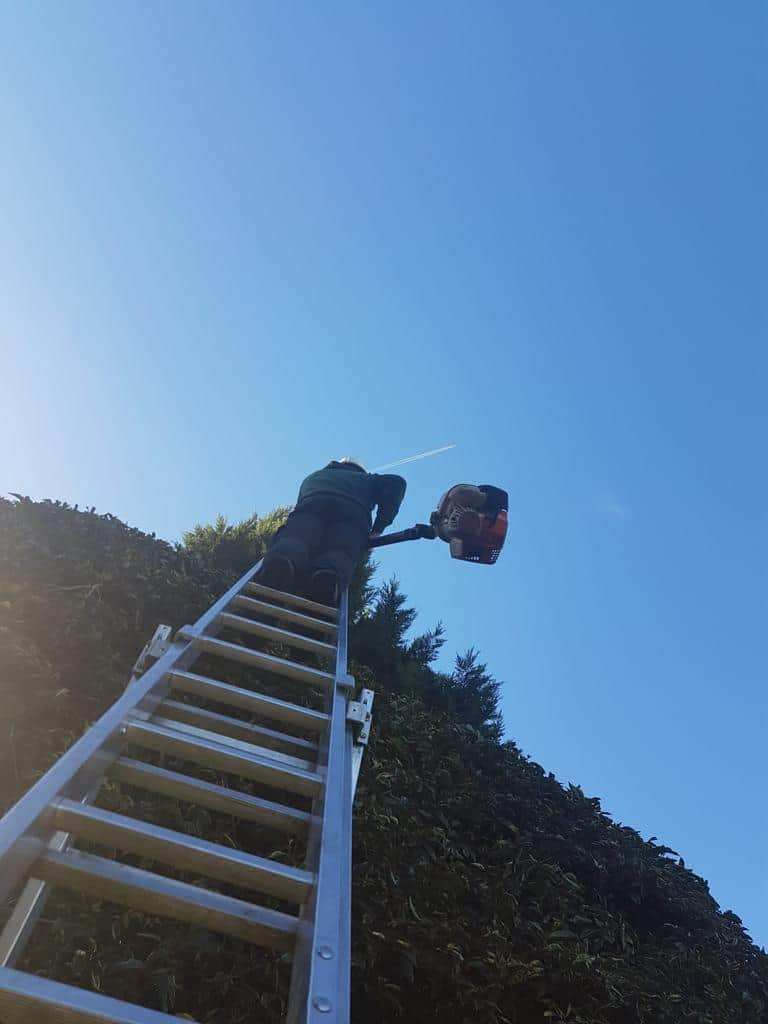
A well-maintained hedge can provide valuable privacy while giving a garden a softer, more natural boundary. However, allowing it to grow without regular attention can create a hedge that is excessively tall, wide, uneven or difficult to manage.
The aim is not simply to keep cutting the hedge back. Effective hedge maintenance balances privacy, healthy growth and a shape that remains suitable for the available space. With careful planning and professional trimming, homeowners in Stansted, Essex, can retain effective screening without allowing their hedges to dominate the garden.
Keeping a Privacy Hedge Healthy and Manageable
Decide What the Hedge Needs to Achieve
Before trimming begins, it is useful to consider the hedge’s purpose. Some hedges are mainly decorative, while others are intended to screen a seating area, soften a boundary or reduce views into the property.
Understanding where privacy is most important makes it easier to determine an appropriate height and width. A hedge does not always need to be uniformly tall. Selective shaping may preserve screening where it is needed while allowing more light into other parts of the garden.
Trim Regularly Rather Than Waiting for Excessive Growth
Routine maintenance is generally easier on a hedge than allowing substantial growth to develop and then removing it all at once. Regular trimming encourages a denser outer structure and helps maintain a consistent shape.
The ideal trimming frequency depends on the hedge species and its growth rate. Fast-growing hedges may need attention more often, while slower-growing varieties can usually be maintained less frequently. A planned schedule prevents the hedge from repeatedly becoming unmanageable between visits.
Maintain a Suitable Width
Privacy hedges often receive attention at the top while their sides are allowed to expand. Over time, this can reduce the usable space in paths, lawns, driveways and planted areas.
Controlling the sides is essential for keeping the hedge within its intended boundary. Where appropriate, shaping the hedge so that it is slightly wider at the base allows light to reach the lower growth. This can help reduce thin or bare sections near ground level, preserving more complete screening.
Avoid Removing Too Much Growth at Once
Heavy cutting can affect the appearance and recovery of certain hedge species. Some hedges respond well to substantial reduction, while others may struggle to regenerate from older wood.
Before reducing an overgrown hedge, a tree surgeon should identify the species, assess its condition and establish how much material can be removed safely. A badly overgrown hedge may benefit from staged work rather than one severe cut. This approach can produce a more balanced result while retaining useful privacy.
Protect Density at Eye Level
The most effective privacy usually comes from dense growth at eye level rather than excessive overall height. A very tall hedge may still provide poor screening if its lower and middle sections have become sparse.
Correct pruning encourages branching and helps maintain an even surface. Gaps may need to be managed gradually by redirecting healthy growth and improving light distribution rather than simply allowing the top to grow higher.
Consider Light and Space Within the Garden
An oversized hedge can cast significant shade, restrict air movement and make nearby areas feel enclosed. It may also compete with lawns and planting for available space.
A professional assessment can establish whether the hedge can be reduced or reshaped without losing its screening function. Thoughtful maintenance should create a practical balance between privacy and a garden that still feels open, usable and well proportioned.
Watch for Signs That the Hedge Needs Attention
Early action can prevent routine maintenance from becoming a more substantial task. Signs that a hedge may need professional care include:
- Growth extending across paths or access points
- An uneven or top-heavy appearance
- Bare patches near the base
- Long shoots projecting beyond the main shape
- Excessive shading of nearby planting
- Branches becoming thick and difficult to trim
- Sections leaning away from the main hedge line
These signs do not necessarily mean that drastic reduction is required. They indicate that the hedge’s structure and maintenance needs should be assessed.
Why Professional Hedge Maintenance Adds Value
Hedge cutting involves more than creating a level surface. Different species respond differently to pruning, and the timing, cutting depth and final shape can all influence regrowth.
Stansted Tree Surgeons can assess the hedge as a living structure and recommend maintenance that supports privacy without encouraging excessive size. Professional equipment also enables taller and broader hedges to be trimmed more evenly, producing a controlled finish throughout the boundary.
Conclusion
Maintaining privacy does not require allowing a hedge to become excessively tall or wide. Regular trimming, appropriate shaping and careful control of the sides can preserve dense screening while keeping the garden comfortable and manageable.
If your hedge in Stansted, Essex, has become overgrown or needs a more practical maintenance plan, contact Stansted Tree Surgeons to arrange a professional assessment. Careful hedge management can protect your privacy while improving the balance and appearance of your outdoor space.
Call us on: 01279 744 790
Click here to find out more about Stansted Tree Surgeons
Click here to complete our contact form and see how we can help with your tree care needs.